Despite everything, it is 2026. The last thing I wrote for this website was a list of my favorite games of 2024. Now, I've returned to do the same thing for 2025. In that previous list, I was pretty... flippant about the arbitrary limit of 10 games—this time, I will abide by it steadfastly, with the exception, of course, of the following...
Blippo+
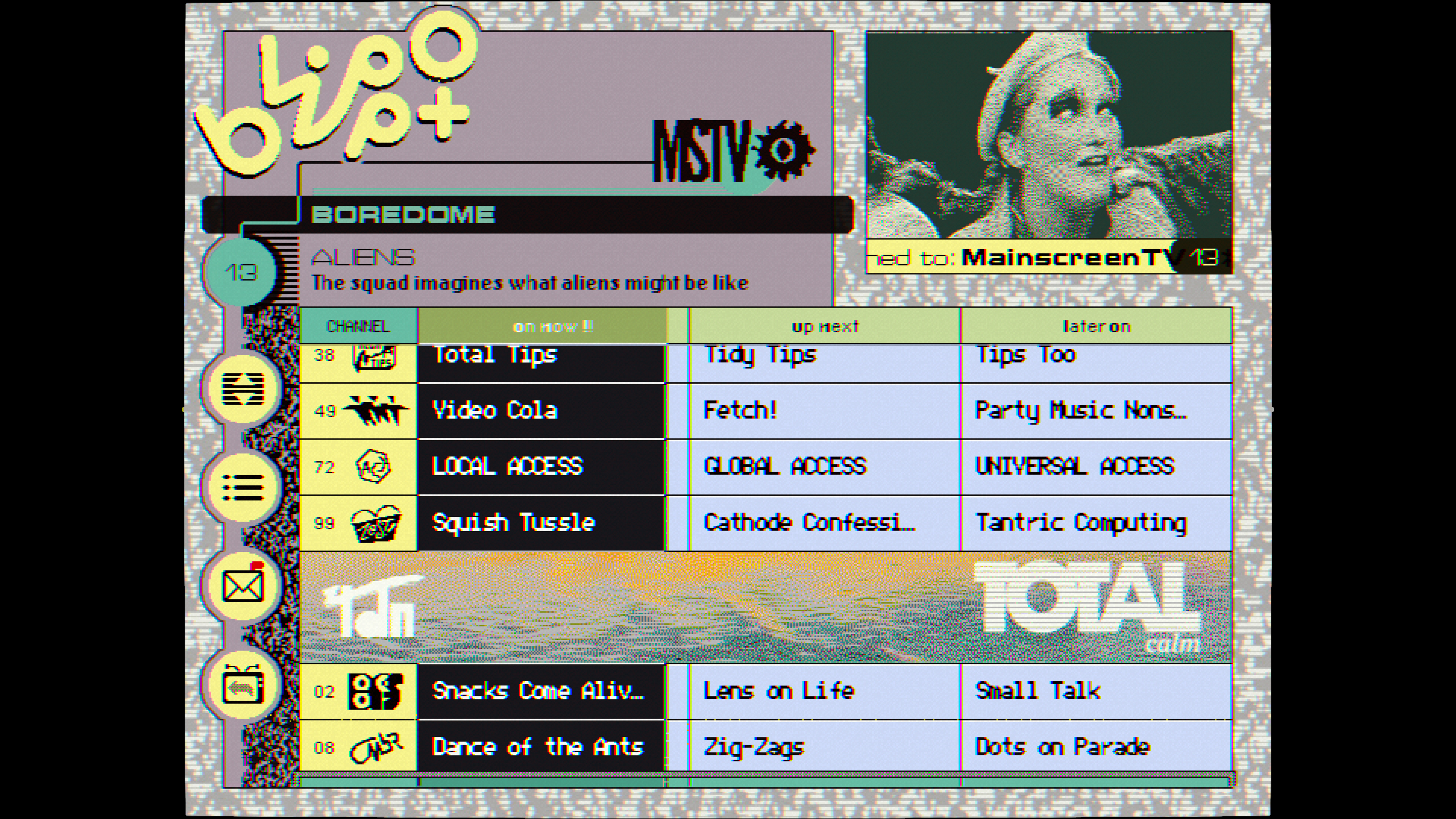
Blippo+ is the latest streaming service competing for your attention, except it’s not made here on Earth—it’s being beamed to us from Planet Blip, our retro-dimensional counterpart where public-access television, 80s and 90s fashion, and being deeply earnest never went out of style.
Published by Panic for the second season of games bundled together for the Playdate handheld device, Blippo+ is a channel-surfing “game” where you explore the television Planet Blip has to offer, thanks to a space-time anomaly known as the Bend. To describe any of these shows in detail would be to dissect the frog, but they range from hilarious to sultry, from informative to entertaining, and beyond. In its initial release on the Playdate, new episodes of each show were released week-to-week, developing the overarching narrative of Planet Blip’s encounter with the Bend slowly over time—with the game’s Steam release, you can unlock the next bundle of shows when you’ve watched enough of the previous bundle.
I highly encourage you to check out Blippo+ if you haven’t—I was so surprised and thrilled by it when it arrived with Playdate’s second season, but I never kept up with it episodically, and haven’t finished the Steam version. Even so, the TV of Planet Blip leaves an impression.
Top Five Blippo+ Shows: Psychic Weather, Quizzards, Clone Trois, Fleas & Fuzz, BUSHWALKER
Top Three Blippo+ Channels: CMBR, TVX, ZEST
CARIMARA: Beneath the forlorn limbs
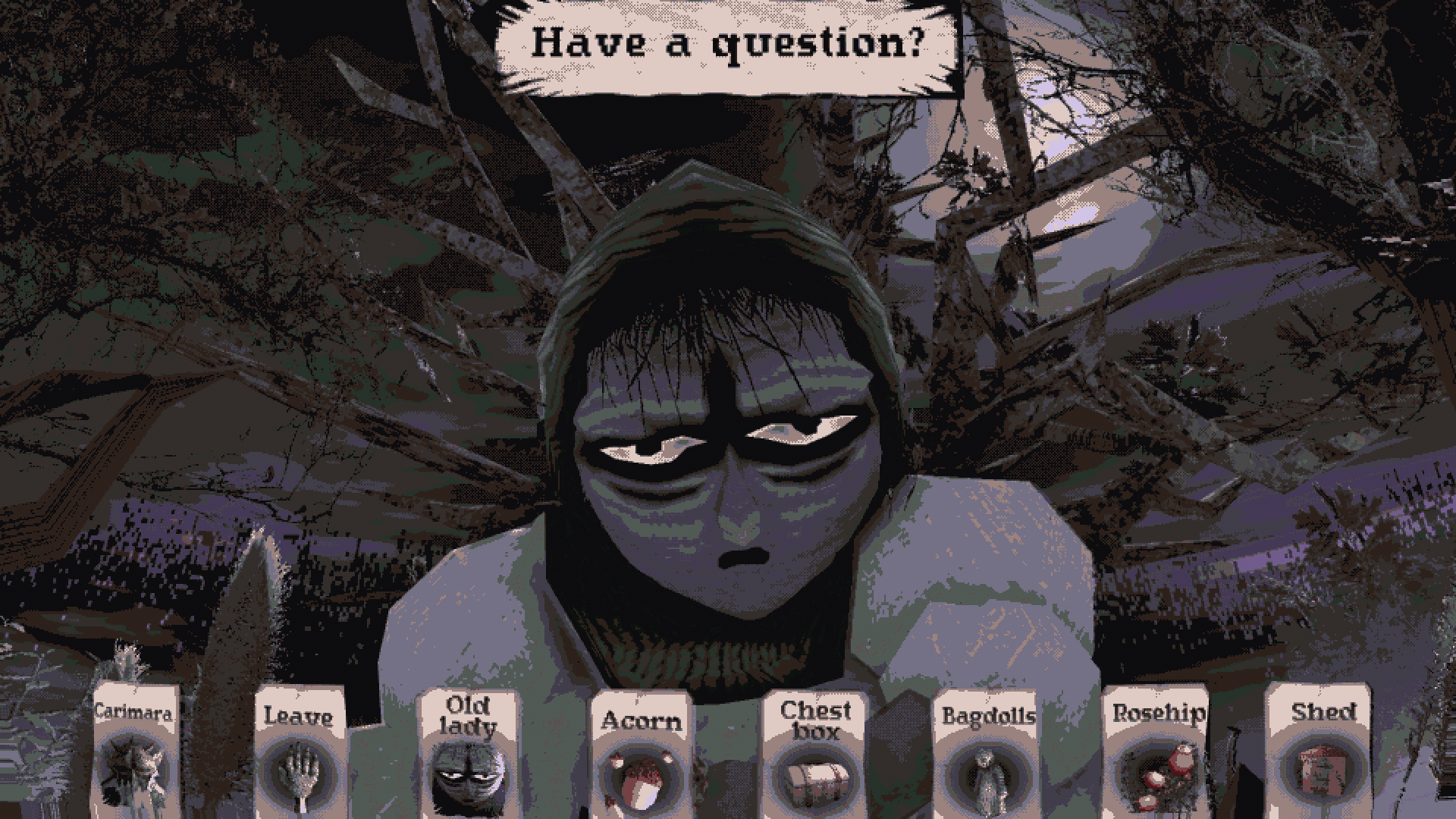
If you know me, you know I love somethin’ short and sweet—the main list has a couple entries into this canon, but CARIMARA is the shortest, and in a sense, also the sweetest. It’s got the unsettling, lo-fi aesthetic of the Haunted PS1 game movement, and the folk horror trappings may initially put you on the back foot, but it’s ultimately a very charming puzzle-narrative game wherein you explore a small hut and its surrounds, using the things you discover as conversation starters with a tight cast of characters. The scope of CARIMARA is admirable—its visual fidelity is in no way jaw-dropping but the shifting vertices and swimming polygons convey the unease and melancholy of its world perfectly, and makes the whole thing feel like you’re lost on the set of an elaborate stage production, a cast member who didn’t forget their lines so much as never knew them in the first place. The developer, Bastinus Rex, has said that the response to the game was very encouraging, and that he wishes to make more small games like CARIMARA: Beneath the forlorn limbs. I await them eagerly.
Skin Deep
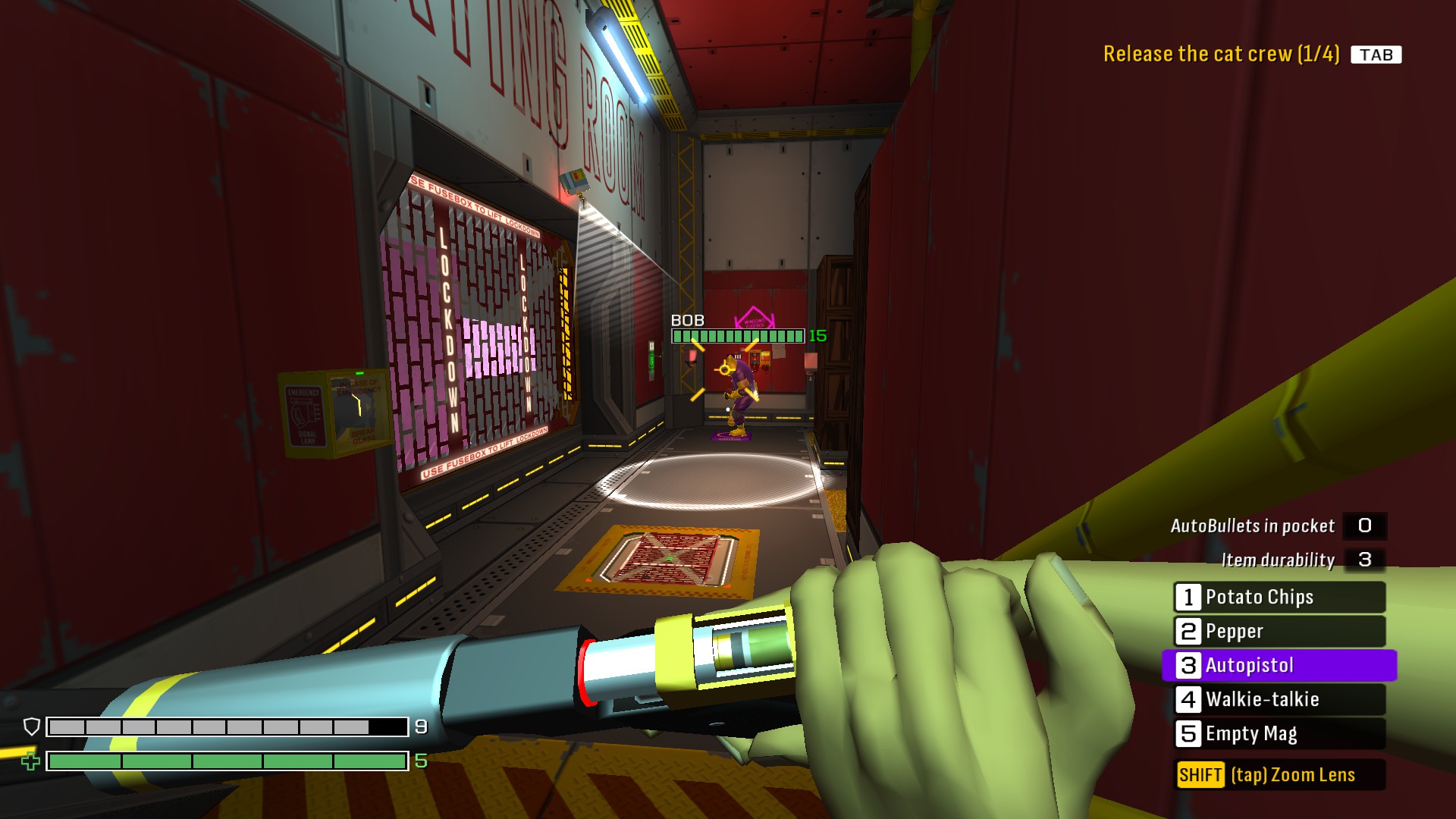
As someone who’s been following Blendo Games’ work for a hot minute, I was convinced that Skin Deep would forever remain a goofy teaser video. “Slapstick comedy Die Hard in a giant space ship” was a pitch too perfect for this world, something I was afraid both could never actually exist, and even in existing, never live up to its fullest potential. Well, the madman did it—Skin Deep is real, and it’s hilarious and thrilling and unbelievable.
That being said, Skin Deep is also somewhat repetitive—the same gags can’t really land as many times as the game asks them to. More than that, however, is that the structure of a mission—wake up aboard a ship already flush with space pirates, deal with them while freeing the cat crew who’ve been imprisoned aboard the ship, then deal with the even burlier pirates who board the ship, then exfil—leaves me feeling like I experienced the same narrative arc in each level, even when the ship designs themselves are quite different.
Sometimes, though, you gotta overlook some gripes when you realize what you’re experiencing is a miracle. Skin Deep is miraculous—I never thought it would truly exist, and I’m very thankful to Brendon Chung and company for making it a reality.
Despite being a superfan its predecessor, I could not get into Citizen Sleeper 2: Starward Vector this year. I tried a couple different times, and it never stuck the way the original did—the characters, the predicament, just grabbed me way less from the jump!
Speaking of games that I feel like should’ve been absolute locks, I never gave Keep Driving a proper shot. I put it off for a while, then started it up one evening and was completely taken aback by the music and bombast of its opening. Sadly, even after that banging first impression, I never picked this back up. Very sorry about that!
Finally, there’s a cadre of early December releases that I think could’ve stood a decent shot at getting onto this list but that I simply did not have time for: Skate Story, ROUTINE, UNBEATABLE, and Demonschool. These hurt to leave off, and I’ve only even touched two of them!
And now...
10. despelote
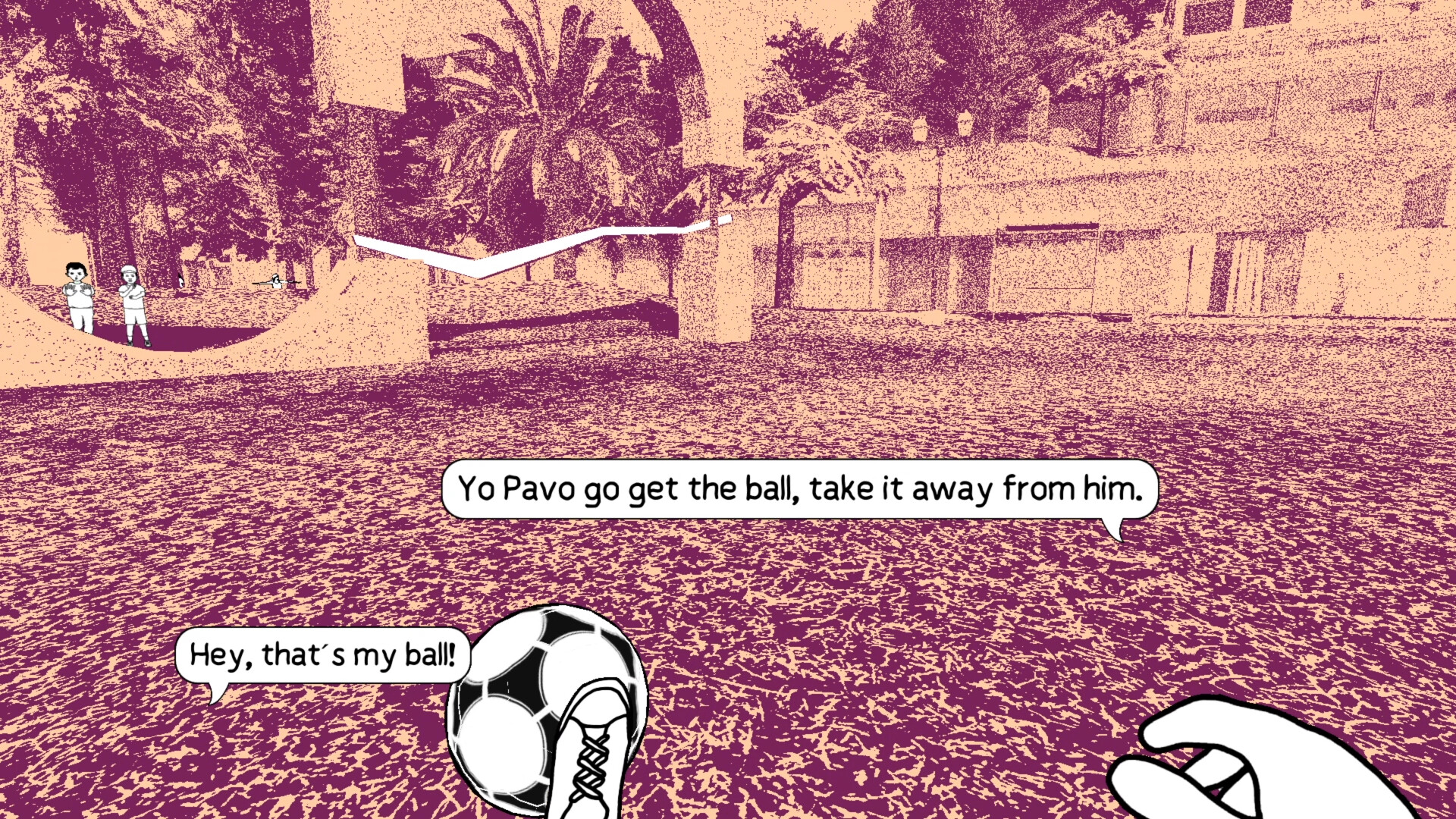
Another short, delightful, resonant little gem, despelote is a memory in video game form. In 2001, Ecuador qualified for the World Cup for the first time, shocking and delighting the Ecuadorian people. Playing as young Julián, a slightly aged up author-insert from co-creator Julián Cordero, you experience those critical days, as Ecuador’s football team fought to prove themselves and their nation, from the streets of downtown Quito. You play pick-up games of soccer with other kids, bump into spectators reacting to the games on TVs showing the game, and grow up alongside a critical moment in the country’s history.
The sense of place in despelote is so well-realized, but also hazy in the way our recollections of youth are. The game’s visual style is a bold mash-up—two-tone photogrammetric environments contrasted with hand-drawn comic character sprites, which captures a feeling of dreamlike reminiscence that is simply mesmerizing. In one of the game’s boldest maneuvers, it shatters that visual style in a disorienting way, shifting the focus into the present moment in a candid peek behind the curtain, and then concludes with a moment of such whimsy and wonder that I’m still struck by it. Never expected a football game to crack my top 10… let alone two of them!
9. Baby Steps
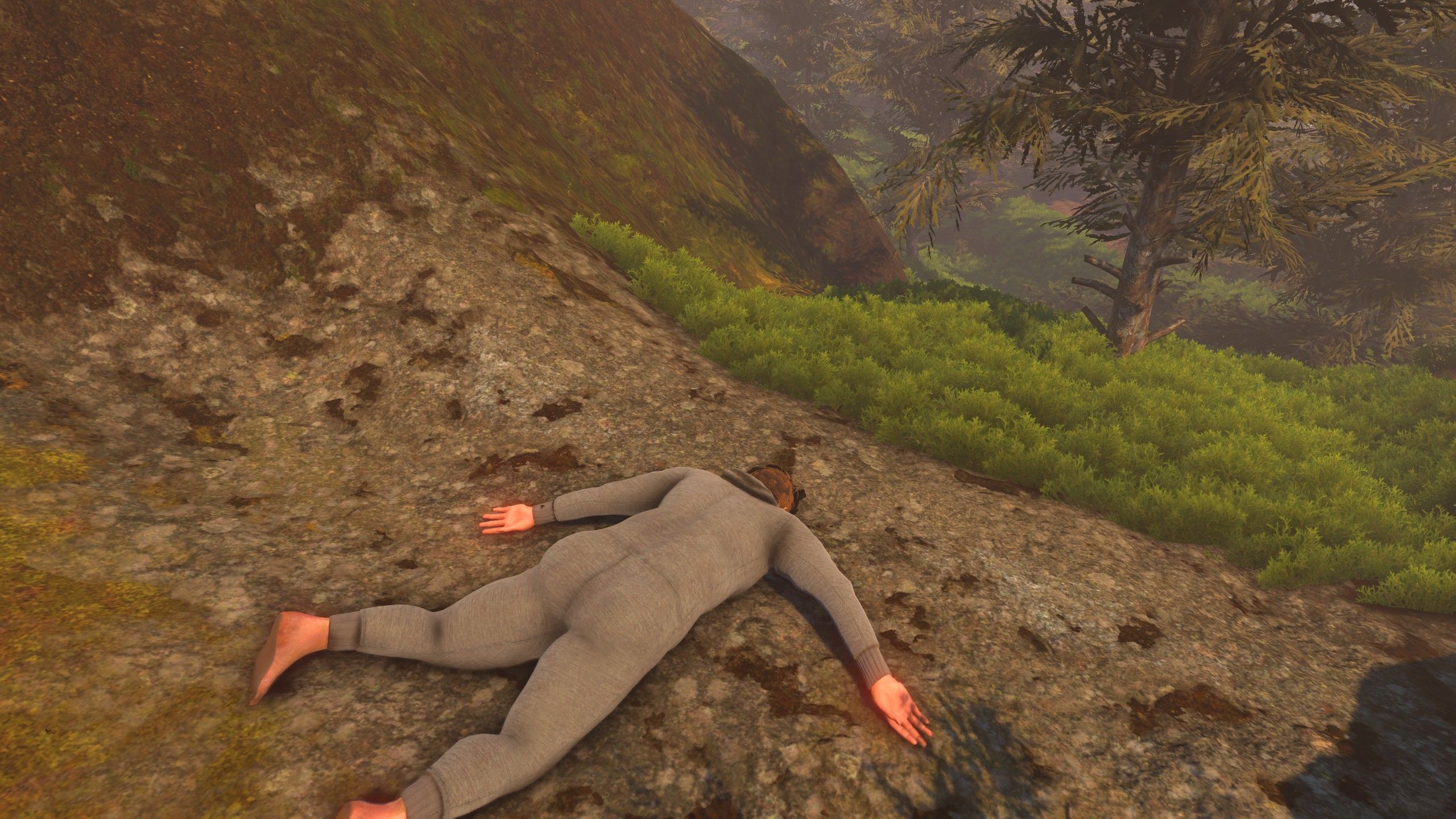
The only game funnier than Skin Deep to come out this year, Baby Steps is the latest collaboration between Bennett Foddy, Maxi Boch, and Gabe Cuzzillo (who, coincidentally, was a co-developer on despelote!) after 2019’s smash-hit romp (because you smash things and also hit them) APE OUT. Baby Steps, however, is more aligned with Foddy’s bread-and-butter: challenging, physics-driven choke simulators like Getting Over It with Bennett Foddy, QWOP, and (my favorite) Super Pole Riders.
In Baby Steps, you play as Nate, a onesie-clad basement dweller who is whisked away from a One Piece binge session into the Australian outback for reasons unknown. Nate desperately needs two things: 1) a place to piss in private, and 2) to find a way home, and he is constitutionally incapable of asking anyone else for, or accepting anyone else’s offers of, help.
It is this character who is then thrust into cutscene after cutscene of deeply awkward yet uproariously funny exchanges with trail guides, obnoxiously cheery hikers, and big-dicked donkeys (not joking), and these improv-heavy sequences are truly some of the funniest shit I’ve seen all year. You can feel the energy of the room in which these scenes were recorded—the way they’ve been translated into the game feels alive and responsive to the performances.
That aspect of the game is the real draw for me, but Baby Steps is also an entertaining game in its own right, a game where putting one foot in front of the other requires more trigger pulls than any other game I’ve ever played. In the same way Death Stranding made the simple act of walking a more considered part of the game’s design, Baby Steps makes you feel each step—when you look off in the distance towards a landmark, you think about how much effort it will take to go there and back, or how treacherous the path up will be, and how prone you’ll be to falling. The mechanics for movement don’t grow more complex over time, but the level design is always asking progressively more of you.
In truth, I haven’t finished Baby Steps; it can be difficult to put yourself at the mercy of a game this uncaring in its design, but whenever I do, I find myself richly rewarded for my effort.
8. The Séance of Blake Manor
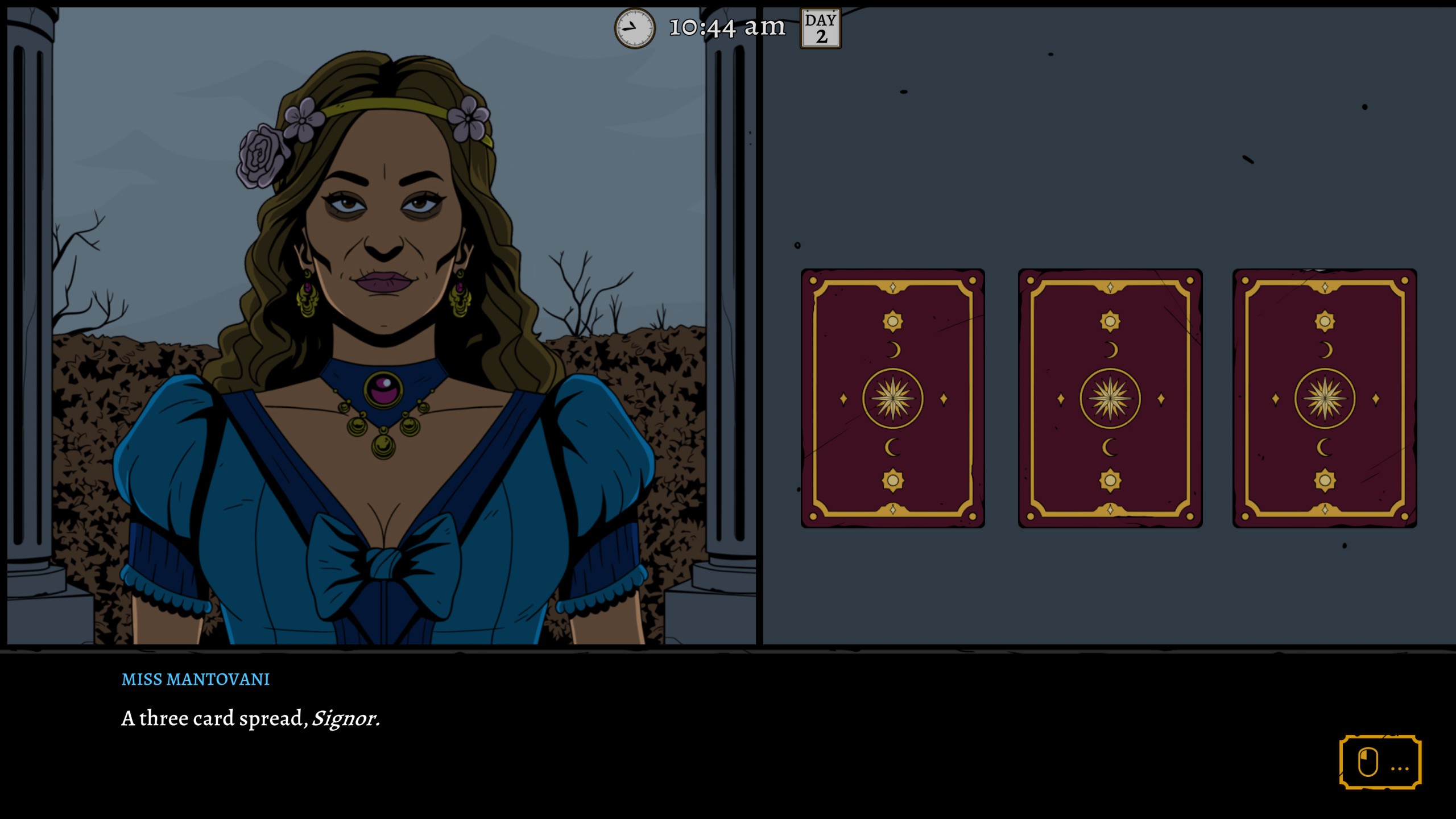
The latest entrant into the booming genre of deduction games, The Séance of Blake Manor comes to us from Ireland, and boy is it about Ireland. Playing as the devout Declan Ward in 1897, you’re sent discreetly to investigate the disappearance of a young woman named Evelyn Deane on the grounds of the titular Blake Manor; on the night of your arrival, you discover the manor is about to host a Grand Séance on Samhain, or All Hallow’s Eve, and a great many interesting characters from around the world are lodged here in hopes of attending the main event.
The next morning, you set about your task: solve the mystery of Ms. Deane’s disappearance, as well as the many other mysteries of Blake Manor and its guests, before the Grand Séance is conducted in two days’ time. In game terms, this means you explore the manor grounds in first-person view, question the guests about their whereabouts and motives, gather evidence and leads in an enormous mind-map, and you do it all under the pressure of a clock which ticks with each action you take. Snooping through the manager’s cabinets? That’s one minute on the clock. Asking the marquess about his late wife? Another minute. Taking lunch with multiple guests in the dining hall? That’ll be 22.
When you begin, the time pressure seems oppressive, but the timeline is quite generous—it’s simply there to encourage you to be thoughtful, and not ask absolutely every character every redundant question. Taken as a whole, The Séance of Blake Manor is a concoction of just about every design feature from across the range of mystery games—Outer Wilds’ rumor map, Case of the Golden Idol’s fill-in-the-blanks deductions, the real-time feel of The Last Express, the interrogations of Ace Attorney. It’s a clever mixture, and it all works together… but the feeling of solving a mystery is not left as much to the player as I’d like. If you put in enough legwork in exploring the manor and asking the right questions (even amongst heaps of bad ones), you’ll eventually be given the answer to most of the questions the game poses to you, handed to you on a silver platter.
That’s why I can’t quite recommend Blake Manor solely on its merits as a deduction game, though I do think it will still hold some appeal and interest for fans of that genre—instead, the game lands for me as a knock-out narrative experience. The massive cast of characters, the period setting, the pacing and tone, the way it crescendoes into a masterful conclusion—it’s just an undeniable achievement. If you are at all excited by themes of 19th century mysticism and spiritual practices and death and grief and history, you owe it to yourself to take a trip to Blake Manor.
7. Hollow Knight: Silksong
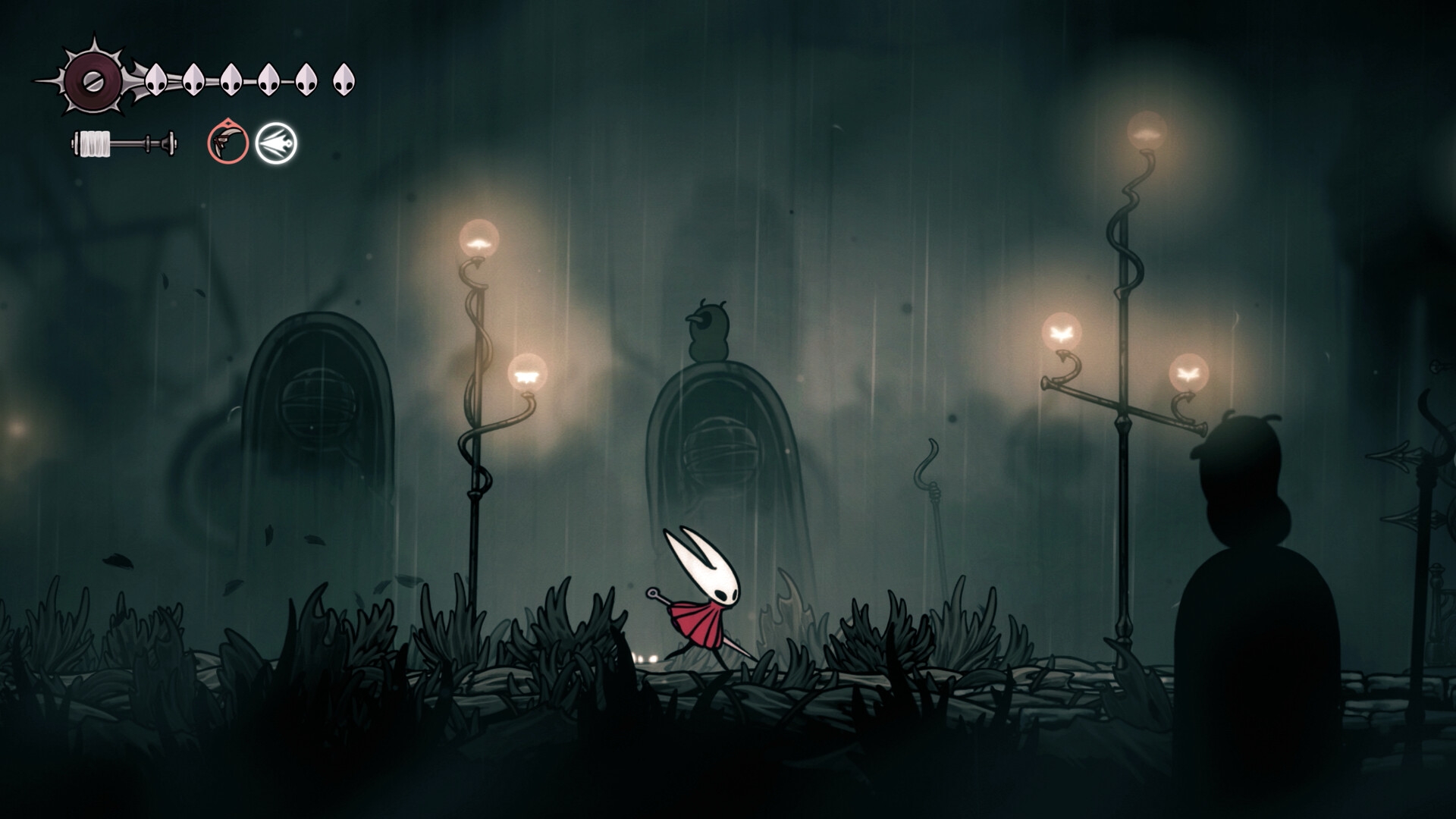
This is probably my most begrudging inclusion on this list. Not for any true fault of the game’s own—it’s a massive, polished, intriguing, and melancholic game, a clear step-up from Team Cherry’s predecessor—but with my reaction in response to the general public’s.
I love (lowercase, no italics) Hollow Knight, but I’ve never quite been as enamored with it as it seems like everyone else was. To me, it is an above average (perhaps considerably so!) Metroidvania, with an aesthetic and game loop heavily inspired by FromSoft’s ouevre, but not quite a masterpiece in my eyes. I found the player controller to feel very rigid and mechanical, the combat to largely be repetitive (though against an impressive variety of enemies), and the boss fights to be more annoying than thrilling.
Most of these feelings still resonate with me in regards to Silksong, though I find Hornet a much more compelling character narratively and in terms of moment-to-moment control (I stuck with the Hunter Crest for most of the game, and if you complained about the downward diagonal attack you’re my enemy). It’s just… I think the unrelenting build-up of hype in all the pre-release “Silksong announcement???” always struck me as weird and performative, so when that hype actually violently erupted when the game is dropped, I felt deeply alienated from the majority opinion on the game.
That said, I did play it on day one, it did take over my life for the month of September, it did distract me from several other games I’d been highly anticipating such as Baby Steps and two more on this list, and I do think it’s a great game. I find the world layout less striking than the original game’s, but the narrative and vibe I was more immediately hooked on—Hornet’s a great protagonist for this story, and her quiet courage and forthrightness are a treat to see in contrast with all the bugs of Pharloom. I only finished Act 2, but I plan on giving Act 3 a go in the not-too-distant future.
6. Öoo
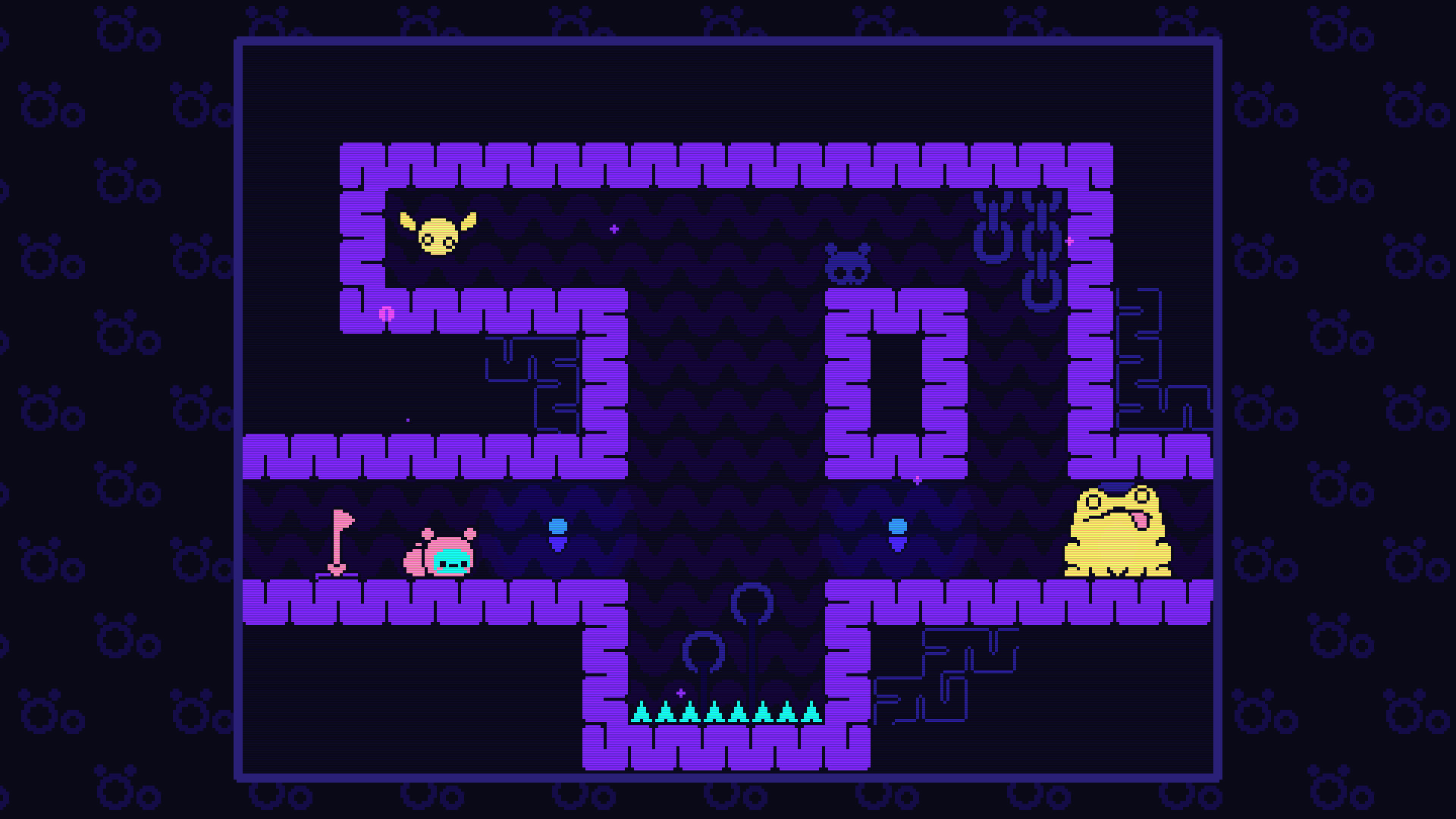
Nama Takahashi-san does it again. In Öoo, you play as a caterpillar that is shaped suspiciously similarly to the title of the very video game you’re playing. You wake up one morning only to get swallowed by a giant nasty bird, and you must explore its guts and destroy its heart to gain freedom. Your only mechanism for doing so is the ability to poop out a little bomb underneath you, placing you on top, then exploding that bomb to either send yourself flying in one direction, to destroy an obstacle, or to do a secret third thing.
The simplicity of this core mechanic is such a delight, but more than that, the way the game unravels the hidden complexities and possibilities is nothing short of marvelous. Öoo is secretly a Metroidvania, except you aren’t gaining regular upgrades (though you do gain a second bomb at a certain point)—you’re gaining knowledge. Each puzzle stacks on new ideas piece by piece, until you finish a sequence of puzzles, are dropped in a pit with a teleporter, and then you discover that you now have the wisdom necessary to bypass an earlier obstacle. It’s such a simple and clever way to push the player towards an “aha!” moment, and it worked for me every single time. At a blissful ~2 hours, Öoo is a perfect little gem of a game. I’ll treasure it forever.
(Also, if you haven’t played Nama Takahashi’s previous game Elechead, you should do that too!)
5. PEAK
Before we get to far into this entry, I wanna start with this: I will absolutely not be calling games in the mold of Lethal Company, REPO, and PEAK “friendslop.” I refuse to let Zoomers and worms on the internet name things. Now, granted, I don’t know what we should call them, but we gotta stop calling them fucking “friendslop.” I’m not doing this shit!
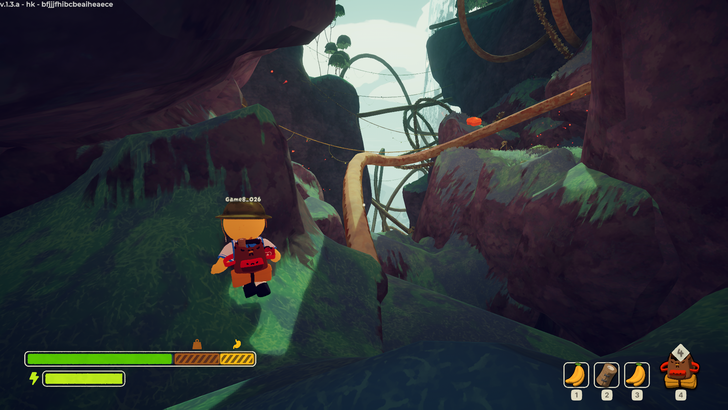
Apologies for the outburst. PEAK, a collaboration between indie studios Landfall Games and Aggro Crab, absolutely blew up this summer when it dropped, and for good reason—it’s an unreasonably charming, compelling, and well-designed little game. In case you’re somehow unfamiliar, in PEAK, you and your friends play as young Scouts stranded on a treacherous island, and you must work together to traverse the island’s many biomes to reach the peak (:0) and call for rescue. Along the way, you must manage your stamina bar, which is constantly being depleted by hunger, physical injury, eating poisonous berries, and various other hazards. You need to keep your stamina in check, because to climb the mountain walls, you grab onto any surface and climb for as long as your stamina allows (think Breath of the Wild or A Short Hike).
The simplicity and versatility of the stamina bar is one of PEAK’s many brilliant touches. By turning all the various meters and gauges of other survival games into a single bar, the impact of every bad fall, blast of cold air, or moment of overheating is made extremely clear. At the same time, the fuzzy math of “how much stamina will it actually take to climb this chunk of wall?” makes it possible to take some risks, develop your own judgment, and most importantly, find alternate paths up the mountain than those you initially embark upon. The map changing daily is icing on the cake; it allows you to retry if you made certain obvious mistakes the first day, but also gives you a reason to come back on subsequent days to see what the island is gonna throw at you next time.
I can keep going. The “reach out your hand to help up a fellow Scout” mechanic is pure genius, absurdly cute and fun to do as a gesture and also genuinely helpful when playing in co-op. The zombified Scoutmaster that appears when you stray from the group is a fantastic jump scare moment, a good way to encourage pro-social play, and a perfect seed for virality. The use of proximity chat, a common element in games of this type (don’t say it), is sublime here—hearing your friend shout as they fall down a chasm, completely unsure if they’re still alive at the bottom, calling out to them in hopes of a response, and then having their ghost appear suddenly in front of you, mic at volume, is always gripping and hilarious.
Never has a game’s viral explosion felt more justified than in the case of PEAK. What a game.
4. REMATCH
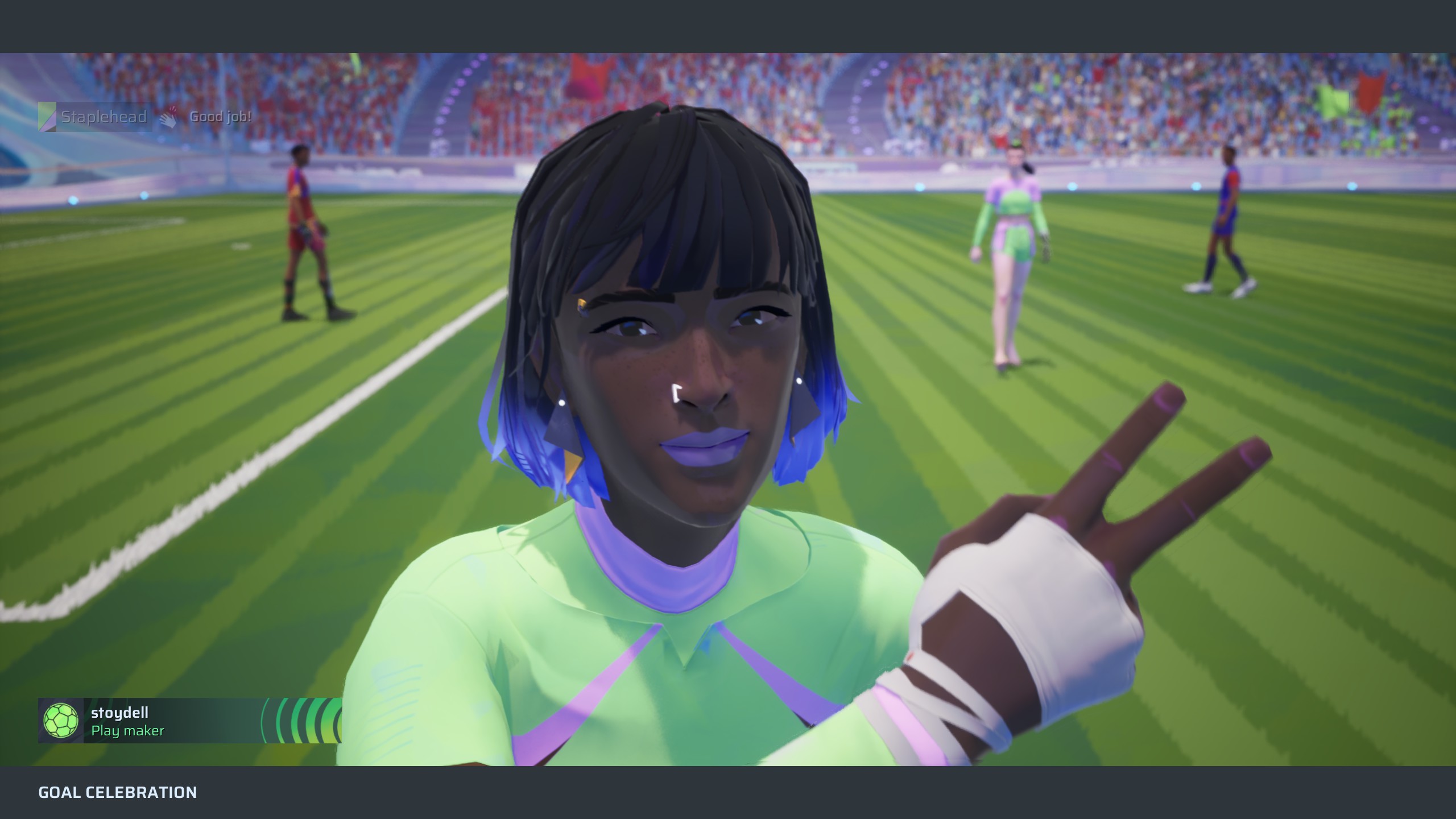
The second football game on this list but the first to make me understand on a visceral level what is so compelling and beautiful about the sport, REMATCH is an 5v5 online multiplayer football game where you are in direct control of just one player in a match. It comes to us from Sloclap, the developers of third-person action games Absolver and SIFU, and they’ve channeled that prior knowledge of the genre into REMATCH, creating a sandbox that is fluid, expressive, and responsive.
The choice to put you in the shoes of a player, not at a bird’s-eye level, is what makes REMATCH unique amongst football games, and what makes it such a hit in my eyes. When you and your teammates have to be conscious of your positioning, your stamina, the tendencies of your teammates and your opponents, in addition to having to stay on top of controlling the ball, you can feel all the dynamics of the “beautiful game” shifting around you, influencing your movements and your decision-making. FIFA and PES might more accurately simulate the sport as it’s played at a professional level (maybe; I truly wouldn’t know!) but what REMATCH accomplishes is it captures the spirit of the game to such a degree that it organically reproduces all the reasons football is so beloved in play.
Now, as a live service game that launched before its time, REMATCH is still in a noticeably imperfect state. While updates are coming regularly, some bugs and design issues have been present for nearly as long as the game’s been available. Sloclap seem to have a good head on their shoulders regarding the long-term direction and sustainability of the game, but it’s proving to be a bumpier road than many of us in the community have anticipated. Regardless of all that, though, the core of this game is so promising, yet also so immediately fun, that I do not hesitate to recommend it. My most played new game this year by a wide margin!
3. Silent Hill f
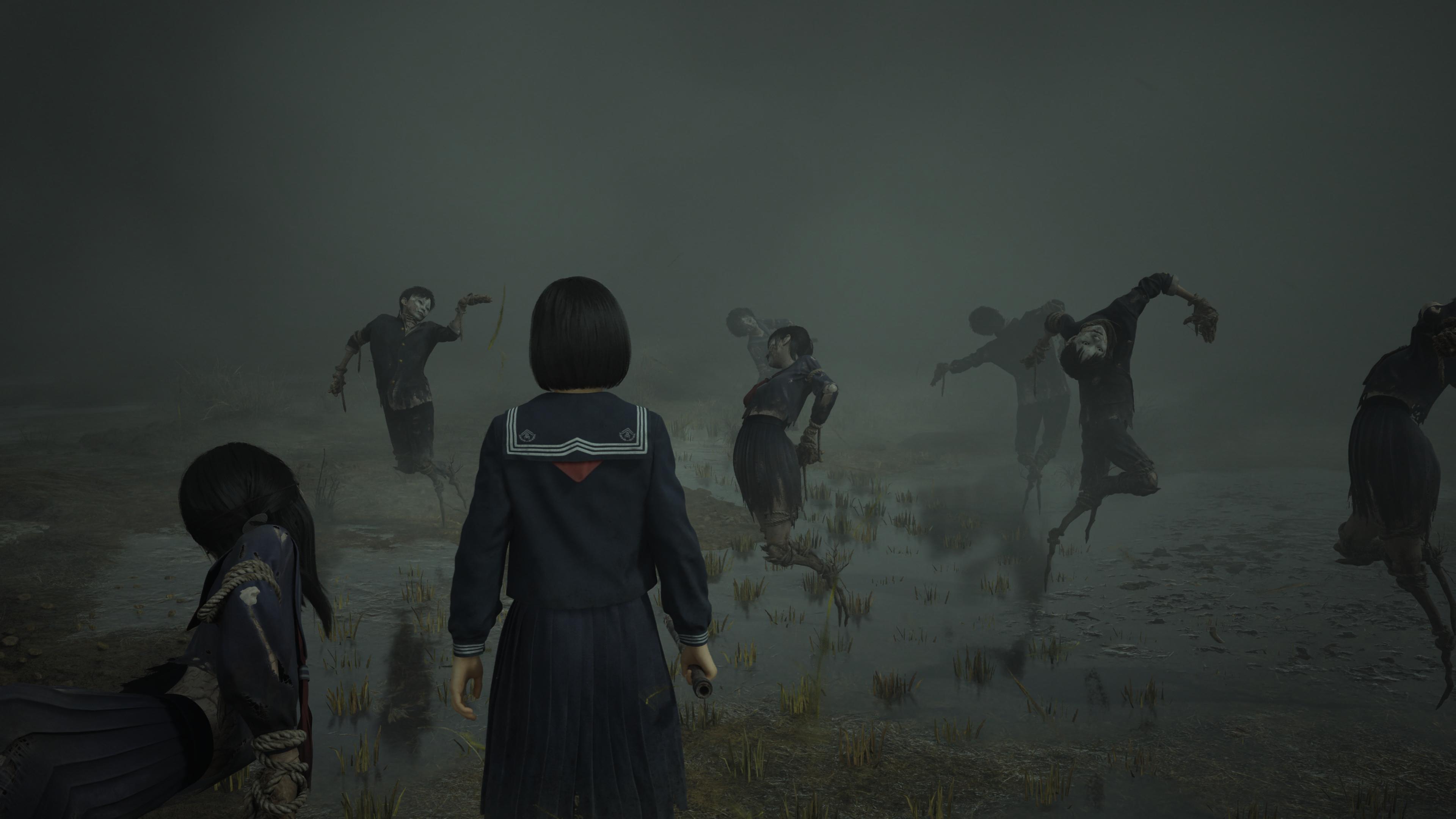
After finally embarking on my Silent Hill journey with the remake of Silent Hill 2 last year, I was primed enjoy Silent Hill f from the jump. Early teasers showcasing the game’s setting in 1960’s rural Japan and our younger protagonist Hinako had me sold before I’d even started, but it was diving into the game itself and realizing once again that a Silent Hill game was doing all the stuff I wanted a horror game to do was even more thrilling.
I’ve only completed the first of five total endings for Silent Hill f, but that first-time experience struck a perfect balance of bewilderment at the events transpiring, yet enough clues and symbols to be able to puzzle at the meaning of things in a way I found both satisfying and captivating. There’s care in each line of dialogue, in the set decoration and imagery and cutscene direction, that I loved trying to pick apart in my first playthrough. After I reached the baffling ending scene, I dove immediately into a second playthrough, and the way things change from the very first cutscene and in the early exploration sections has me optimistic about how rewarding that experience will be.
Silent Hill f, though, is not without some faults; the combat, while not the disaster that many bemoaned it as, is not a hit in my books, and there are some particularly annoying enemies and encounters towards the end of the game. The game’s puzzles can also be quite obtuse, but these were mere bumps on the road of a game that is otherwise a stellar narrative and cinematic achievement. With each passing year I’m feeling more and more lucky that I picked this moment to jump on the Silent Hill bandwagon.
2. Consume Me
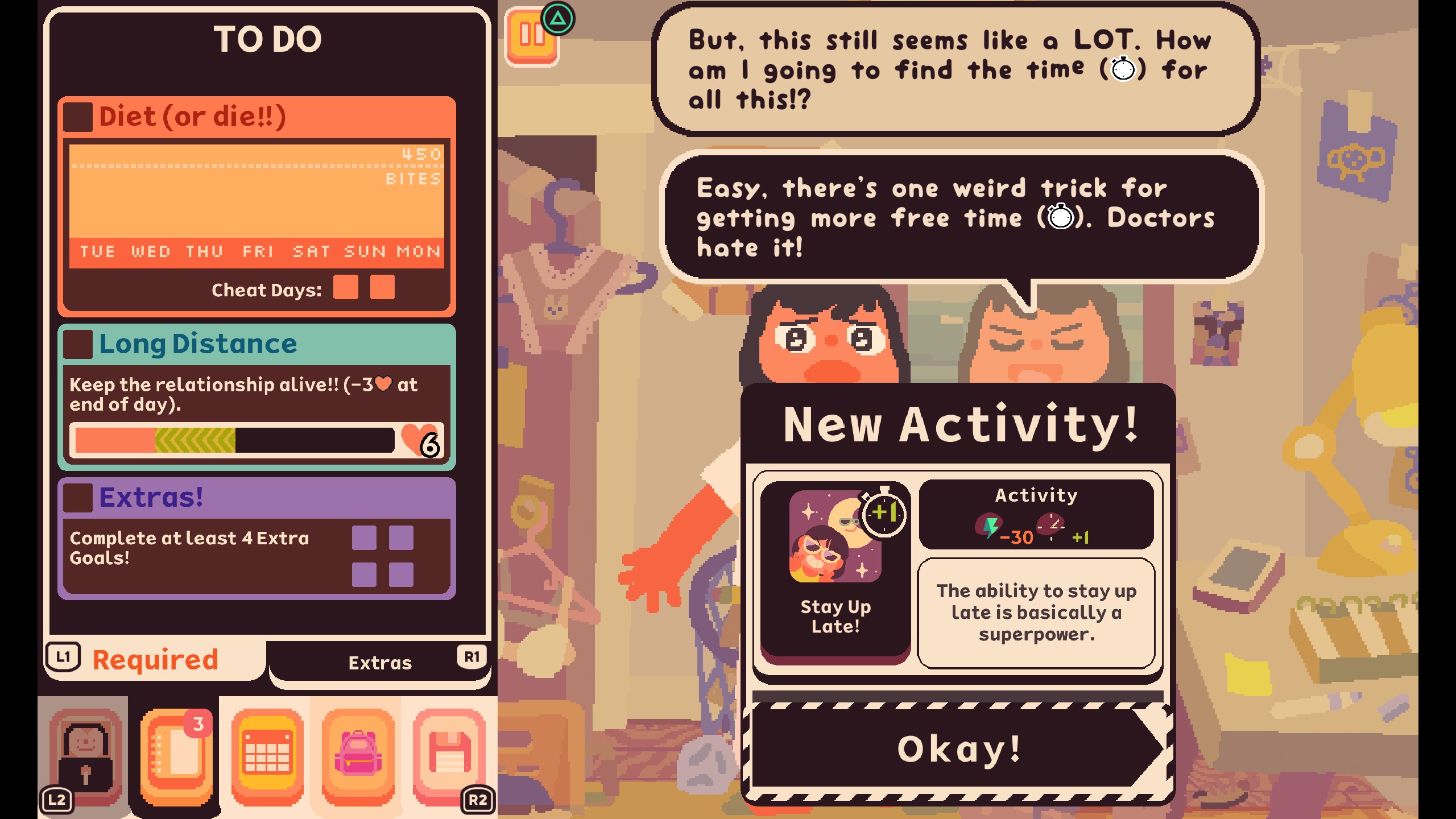
Blending hilarious and resonant autobiographical sequences, copious and varied mini-games, and a time-and-resource-management simulation reminiscent of the Persona games, Consume Me is a total knockout.
In it, you play as Jenny, a high-school student struggling with dieting, staying on top of schoolwork, chores, and various other things. The game is played as a series of days marked on the calendar before a major milestone or goal: for instance, maybe you have to read a book for a certain class, or save up enough money to go on a date, or what-have-you. Each day, you spend your precious Time (chunked into full integers: you have 2 Time to spend each day, and activities can take anywhere between 0 and 2 Time) to accomplish your goals while also managing your Mood, your Energy, and your Hunger.
This life sim aspect of the game is complemented by the suite of mini-games associated with each activity—doing laundry is a timing mini-game where you fold each outfit at just the right moment; putting on makeup is a time-sensitive game of trying to wipe different parts of your face with different beauty products; reading requires tracking a book that spins around you while your head moves on a swivel toward distractions flying left and right. The frantic, comic nature of each of these mini-games keeps the game feeling alive even as you’re performing some of the same actions day-in and day-out.
The auto-biographical elements of the game are also worth calling out—the Jenny you play as is a fictionalized version of the game’s co-creator Jenny Jiao Hsia, and it’s important to understand that the representation here of disordered eating is not the most nuanced one out there. Even though the game presents outwardly as being primarily about dieting (the game’s title forefronts that, and the first impression you’d get from the game’s opening would confirm it), this is a game about the pressure that young people are put through, be those pressures dietary or academic or romantic, and the difficulty of coping with that pressure. The ending of Consume Me has struck many as underwhelming, or as a cop-out—I think instead it feels honest about the shortcomings of its creation, that handing out easy, one-size-fits-all answers on how to escape from these struggles is not possible. Instead, it zooms out, reminding you that this is the story of one person—an imperfect, sometimes naive, deeply relatable person.
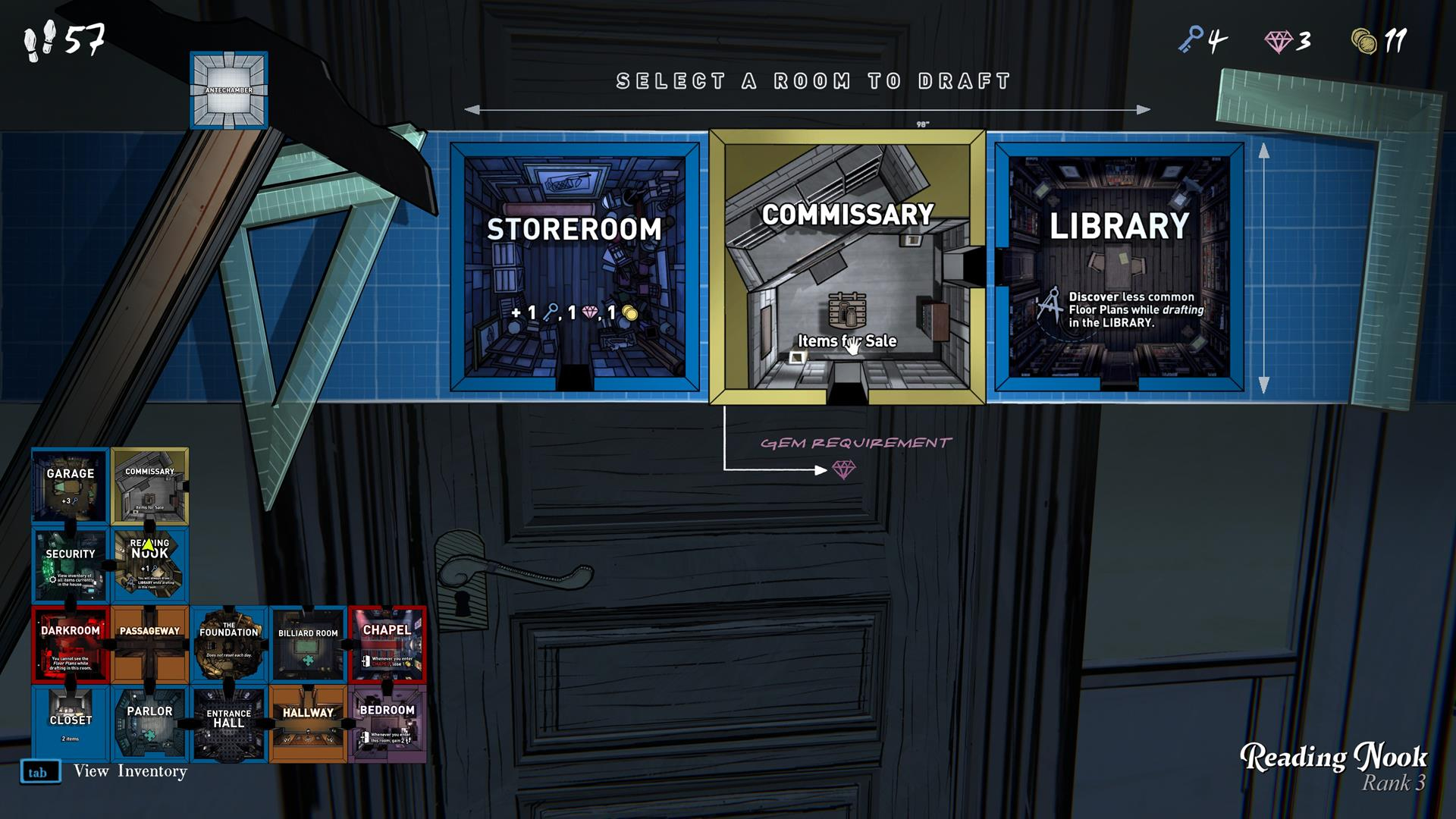
1. Blue Prince — Game of the Year 2025
It was never even close. Sorry to every other video game released in the year 2026—this shit was rigged from the start. Trust me, I love every other game on this list, but Blue Prince speaks to my soul.
Blue Prince reveals itself gradually—it begins as a first-person adventure game, wherein you explore the grounds of Mount Holly Estate as a young boy named Simon who has come at the behest of his late uncle Herbert S. Sinclair. The goal he sets before you: reach Room 46, found by accessing the Antechamber at the farthest end of the estate.
It quickly becomes a tile-laying puzzle—as you encounter doors in Mount Holly, you’re presented with a draft of three random Room tiles, and must choose which of those three lay beyond the door you’re about to open. After that, a game of resource-management—each time you step from one Room to another, you lose one Step from a starting total of 50. You must also find Keys in order to open locked doors, and Gems to draft more advanced Rooms. All of these stand between you and reaching Room 46.
After you run out of Steps, or can no longer draft Rooms which might progress you towards Room 46, it becomes a roguelike—you begin the next day outside the Foyer once again, only this time, the Rooms you drafted are no longer in the same place, and you must draft them all over again. Though this time, you’ll surely do it better than last.
It remains all of these things, and then finally, a grand mystery—what is the history of Mount Holly, or the world at large? What vast secrets do the grounds hold? How does this relate to that? If I do this in this Room, does that…? Ah! Of course!
Just as Blue Prince is an amalgam of many genres and styles of gameplay, the way you shift through those modes of play can vary from run to run. On some days, my goal was straightforward: get further into Mount Holly than I’d ever been before. Some days, I was just trying to discover new Rooms, or learn more about how certain mechanics worked. Other times, I would be seeking specific combinations of Rooms because I suspected there was a puzzle I could solve, or something I’d learned on a previous day pointed towards another Room.
Like a couple other games this year, I didn’t fully complete Blue Prince; I hit credits, which is just the start of the Blue Prince rabbit hole, and then life stuff happened so I graciously took the off-ramp that was offered to me, but I’ve never stopped thinking about going back. The mix between the strategic tile-laying gameplay and the higher-order mystery and puzzle experience was intoxicating, and I know there’s a good deal left in store for me to dip back into at my leisure. We are lucky to get games a rich and dense and clever as Blue Prince—we should cherish them when they come around.
...
Thanks for reading! If you're curious, I keep track of absolutely everything I played throughout the year. Here's the list of games that came out in 2025 that I played, even for just a minute:
The Roottrees Are Dead | Monster Hunter: Wilds | Split Fiction | Wanderstop | Blue Prince | Clair Obscur: Expedition 33 | despelote | Mask Quest | Keep Driving | Ninja Gaiden: Ragebound | Wildgate | Herdling | Skin Deep | Pipistrello and the Cursed Yoyo | Citizen Sleeper 2: Starward Vector | REMATCH | PEAK | Destiny 2: The Edge of Fate | Wheel World | Mario Kart World | Donkey Kong: Bananza | Hollow Knight: Silksong | Sword of the Sea | Many Nights a Whisper | Sol Cesto | Öoo | Blippo+ | Time Flies | Silent Hill f | Unfair Flips | Hades II | CARIMARA: Beneath the forlorn limbs | Keeper | Replicube | Dispatch | and Roger | MotionRec | ARC Raiders | Absolum | Vampire's Best Friend | LUMINES arise | Q-UP | Pacific Drive: Whispers in the Woods | Consume Me | Baby Steps | The Séance of Blake Manor | Destiny 2: Renegades | Sektori | Demonschool | Skate Story | Shinobi: Art of Vengeance
.